

Kraków goes green: remote sensing helps fight city heat
The Institute of Botany PAS has taken on the challenge of Kraków’s urban ecological landscape by investigating how urban greenery can shape the city’s microclimate and mitigate the effects of rising temperatures. Using advanced remote sensing technologies, including spectral imaging, thermal imaging, and fluorescence analysis, we quantify the amount of plant biomass needed to reduce temperature by one degree across different types of urban infrastructure — from large green spaces to densely built historical and industrial areas. Our research not only expands knowledge about the role of urban greenery in combating climate change but also provides insights into how different forms of vegetation influence urban heat islands in the heart of metropolitan areas, helping to transform future urban planning strategies.
The research is conducted within the project "Quantifying the impact of vegetation on urban temperature using remote sensing". It is funded from the state budget allocated by the Minister of Education and Science under the "Science for society II" programme. The total funding amounts to PLN 1,806,268.20.
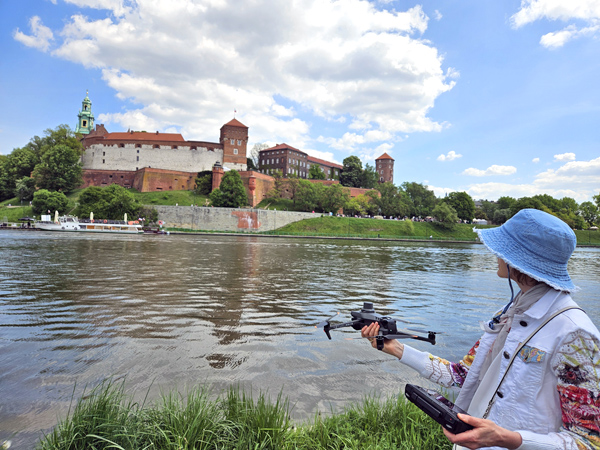
Drone preparation before flight.
Photo: Marek Hebda.
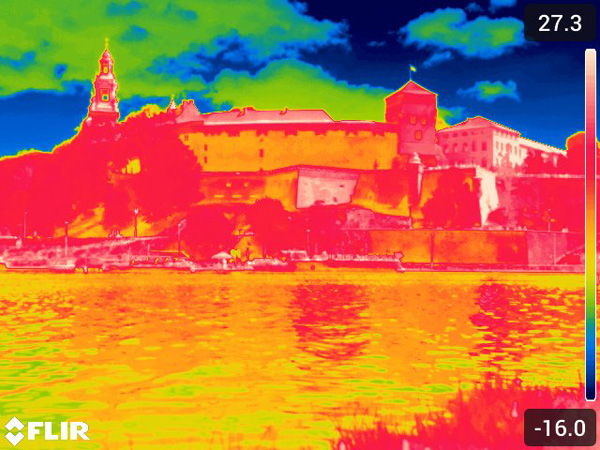
Wawel through a thermal imaging camera.
Photo: Magdalena Szechyńska-Hebda.
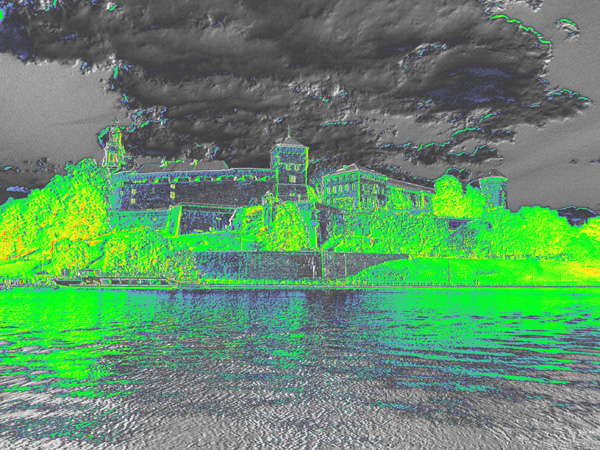
Wawel Castle captured with spectral imaging.
Photo: Magdalena Szechyńska-Hebda.
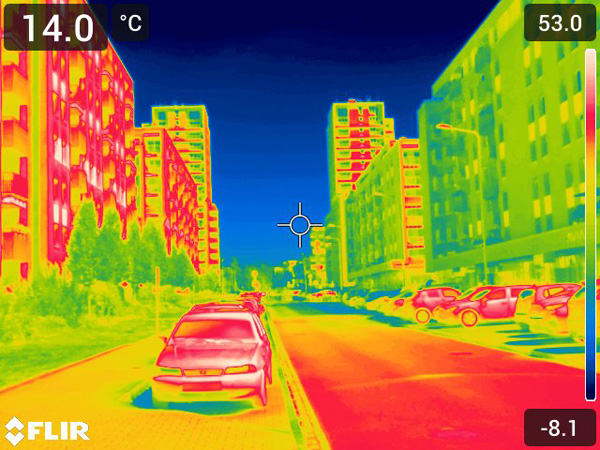
Avia housing estate – sunlight, shade, and vegetation within a modern urban layout (thermal imaging).
Photo: Magdalena Szechyńska-Hebda.
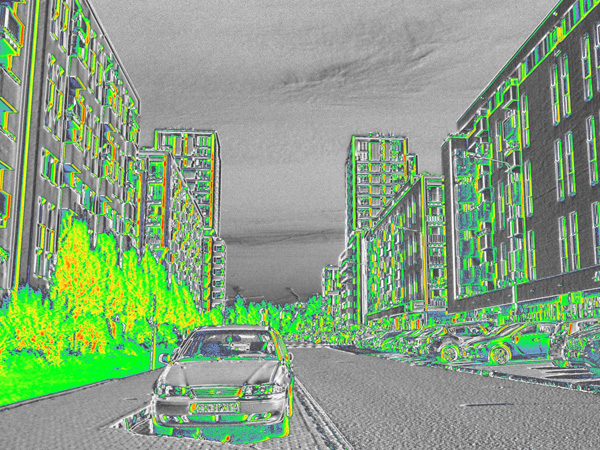
Avia housing estate captured with spectral imaging.
Photo: Magdalena Szechyńska-Hebda.
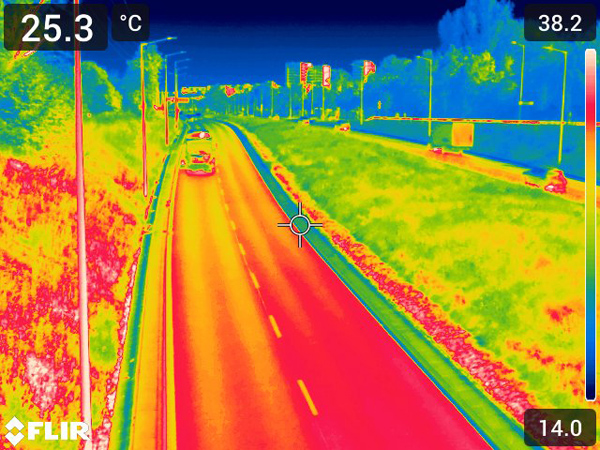
Izydor Stella-Sawicki Street. Green belts – an underestimated ally in the fight against heat (thermal imaging).
Foto: Magdalena Szechyńska-Hebda.
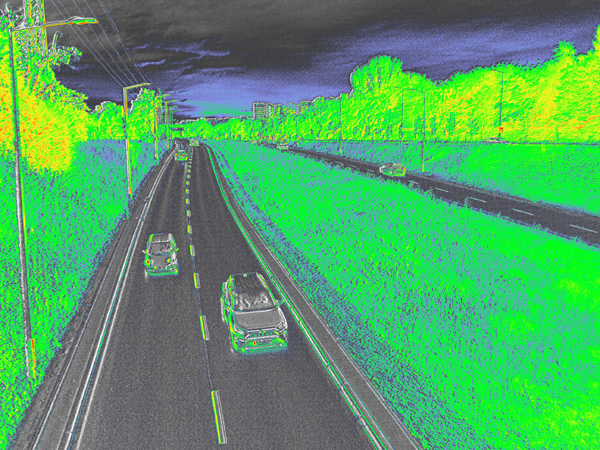
Izydor Stella-Sawicki Street captured with a spectral camera.
Photo: Magdalena Szechyńska-Hebda.
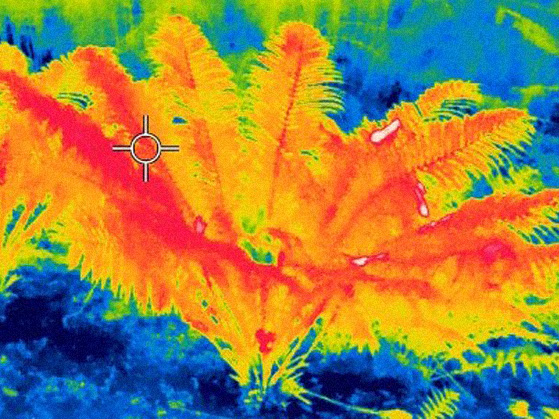
Thermal imaging verification of myths – not every plant cools the environment (ostrich fern).
Foto: Magdalena Szechyńska-Hebda.
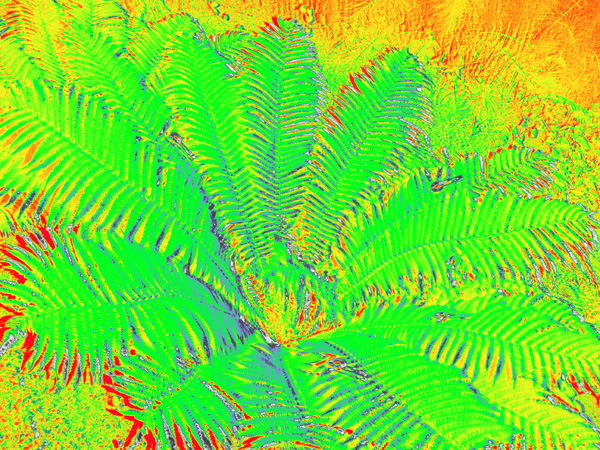
Ostrich fern captured with a spectral camera.
Photo: Magdalena Szechyńska-Hebda.



